The Ultimate Guide to Business Formation: Structures, Steps, and Legal Considerations
A comprehensive guide to business formation, covering essential structures, key steps, and legal considerations for aspiring entrepreneurs. "Starting a business? Our ultimate guide to business formation provides in-depth insights into various business structures, step-by-step instructions for establishing your enterprise, and crucial legal considerations. Equip yourself with the knowledge to make informed decisions and set the foundation for your entrepreneurial success."
Business Formation: A Comprehensive Guide
Introduction
Starting a business is an exciting venture filled with opportunities and challenges. One of the first and most crucial steps in this journey is business formation. This process involves choosing the appropriate business structure, registering your business, and ensuring compliance with legal requirements. This guide will walk you through the various aspects of business formation, helping you make informed decisions for your entrepreneurial journey.
Understanding Business Structures
Choosing the right business structure is essential as it impacts your taxes, liability, and overall management. Here are the most common business structures:
1. Sole Proprietorship
- Definition: A sole proprietorship is the simplest form of business, owned and operated by one individual.
- Advantages:
- Easy to establish
- Full control over business decisions
- Minimal regulatory requirements
- Disadvantages:
- Unlimited personal liability, making the owner personally responsible for debts and obligations.
2. Partnership
- Definition: A partnership involves two or more individuals who share ownership and responsibilities.
- Advantages:
- Shared resources and expertise
- Relatively easy to establish
- Beneficial tax treatment (profits are passed through to partners)
- Disadvantages:
- Joint liability, meaning each partner can be held responsible for the actions of others.
3. Limited Liability Company (LLC)
- Definition: An LLC combines the benefits of a corporation and a partnership.
- Advantages:
- Limited personal liability
- Flexible tax treatment
- Fewer formalities compared to corporations
- Disadvantages:
- More paperwork than a sole proprietorship or partnership
- Varying regulations by state.
4. Corporation
- Definition: A corporation is a distinct legal entity separate from its owners, providing limited liability protection.
- Advantages:
- Limited liability for shareholders
- Easier access to capital through stock issuance
- Perpetual existence
- Disadvantages:
- More complex to establish and maintain
- Subject to double taxation (corporate and personal taxes).
5. S Corporation
- Definition: An S Corporation is a special type of corporation that meets specific Internal Revenue Code requirements.
- Advantages:
- Limited liability
- Pass-through taxation, avoiding double taxation.
- Disadvantages:
- Strict eligibility requirements and formalities, including a limited number of shareholders.
Steps to Form a Business
1. Conduct Market Research
Before formally establishing your business, conduct thorough market research to understand your target audience, competitors, and industry trends. This step will help you identify a viable business idea and develop a strategic plan.
2. Create a Business Plan
A solid business plan outlines your business goals, target market, competition analysis, marketing strategy, and financial projections. This document will serve as a roadmap for your business and is often necessary when seeking funding.
3. Choose a Business Structure
Based on your research and business goals, select the appropriate business structure. Consider factors such as liability, taxation, and management style when making your decision.
4. Register Your Business Name
Choose a unique business name that reflects your brand and is not already in use. Conduct a name search in your state’s business registry to ensure availability. Once you’ve confirmed the name, you may need to register it with state and local authorities.
5. Obtain Necessary Licenses and Permits
Depending on your business type and location, you may require various licenses and permits to operate legally. Research the specific requirements for your industry and ensure compliance.
6. Register for Taxes
Obtain an Employer Identification Number (EIN) from the IRS if you plan to hire employees or operate as a corporation or partnership. Additionally, register for state and local taxes as necessary.
7. Open a Business Bank Account
Separating your personal and business finances is crucial for managing your business effectively. Open a dedicated business bank account to streamline accounting and maintain accurate records.
8. Set Up Accounting and Record-Keeping
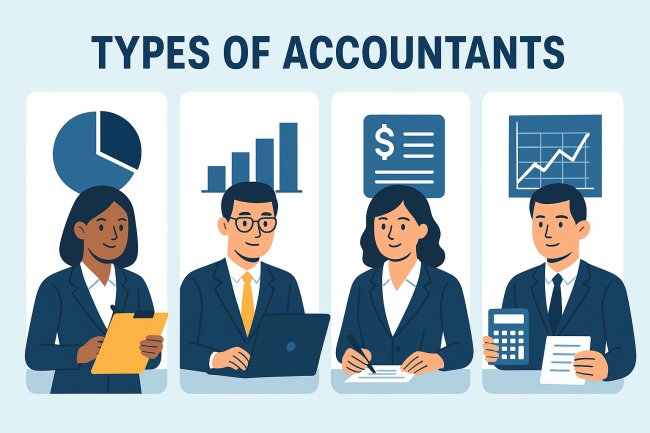
Establish an accounting system to track income, expenses, and tax obligations. You can use accounting software or hire a professional accountant to ensure accuracy and compliance.
Legal Considerations
Understanding the legal implications of business formation is vital for protecting your interests. Here are some key legal considerations:
- Liability Protection: Different business structures offer varying levels of liability protection. Ensure you understand how your chosen structure protects your personal assets.
- Compliance: Stay informed about local, state, and federal regulations affecting your business. Non-compliance can lead to fines and legal issues.
- Contracts and Agreements: Draft clear contracts and agreements to protect your business relationships and outline expectations with partners, suppliers, and customers.
Funding Your Business
Once your business is formed, you may need capital to launch and grow. Here are common funding sources:
- Personal Savings: Many entrepreneurs start with their savings to fund initial expenses.
- Loans: Traditional bank loans or Small Business Administration (SBA) loans can provide necessary capital.
- Investors: Seek out investors who are interested in your business model and willing to provide funding in exchange for equity.
- Crowdfunding: Utilize online platforms to raise funds from a larger audience in exchange for products or rewards.
Business Formation in Ethiopia: A Comprehensive Guide for Entrepreneurs
Introduction
Starting a business in Ethiopia presents a unique opportunity for entrepreneurs looking to tap into a growing market. However, understanding the intricacies of business formation, including trade laws and tax regulations, is crucial for successful establishment and sustainability. This comprehensive guide will explore the essential aspects of business formation in Ethiopia, including various business structures, relevant trade laws, tax obligations, and practical steps to set up your enterprise.
Understanding Business Structures in Ethiopia
Choosing the right business structure is vital as it significantly impacts your liability, taxation, and overall management. In Ethiopia, the following business structures are commonly recognized:
-
Sole Proprietorship
- Definition: A sole proprietorship is the simplest form of business, owned and operated by one individual.
- Advantages: Easy to establish, minimal regulatory requirements, and complete control over business decisions.
- Disadvantages: Unlimited personal liability, placing personal assets at risk for business debts.
-
Partnership
- Definition: A partnership involves two or more individuals who share ownership and responsibilities.
- Advantages: Shared resources, diverse expertise, and beneficial tax treatment.
- Disadvantages: Joint liability, meaning partners can be held responsible for each other's actions.
-
Limited Liability Company (LLC)
- Definition: An LLC combines the benefits of a corporation and a partnership, offering limited liability protection.
- Advantages: Limited personal liability, flexible tax treatment, and fewer formalities compared to corporations.
- Disadvantages: More paperwork than sole proprietorships and partnerships, with varying regulations by region.
-
Corporation
- Definition: A corporation is a distinct legal entity separate from its owners, providing limited liability protection.
- Advantages: Limited liability for shareholders, easier access to capital, and perpetual existence.
- Disadvantages: More complex to establish, with potential double taxation on profits.
-
Micro and Small Enterprises (MSEs)
- Definition: In Ethiopia, MSEs are defined by size and capital, often benefiting from government support.
- Advantages: Access to government funding, training programs, and resources aimed at promoting entrepreneurship.
- Disadvantages: Limited market access compared to larger businesses.
-
Conclusion
Business formation is a critical step in your entrepreneurial journey. By understanding the various business structures, following the necessary steps for formation, and considering legal implications, you’ll be better equipped to establish a successful business. Remember, seeking professional advice from attorneys and accountants can provide valuable guidance tailored to your specific circumstances. With careful planning and execution, you can set the foundation for a thriving business.